‘Just because we can measure it doesn’t make it meaningful,’ shared a female physician at a dinner recently. Today my son’s pediatrician can run a report to see which of her patients missed their last immunization cycle. In theory the doctor could outreach to me to remind me to come in if my son’s name made the list. My dinner companion was pointing out, “does this phone call make the physician a high quality one?’
This same objectivity about ‘measurement’ and the conclusions we draw from it served as a backdrop to Summer Book Review #29, “Getting Even: Why Women Don’t Get Paid Like Men – And What To Do About It,” by Evelyn Murphy, former Lieutenant Governor of the Commonwealth of MA, with E.J. Graff. (Simon & Schuster, 2005)
Murphy shares that one of her motivations for writing the book is rooted in the incomplete messages about women’s wages that are fueled by statistics from the U.S. Census Bureau and Bureau of Labor Statistics. In Getting Even Murphy adds a social scientist’s posture by leveraging research and analysis on workplace behavior to more fully shape her argument for gender-based wage discrimination. (Getting Even, pg 9) The combination is powerful and engaging.
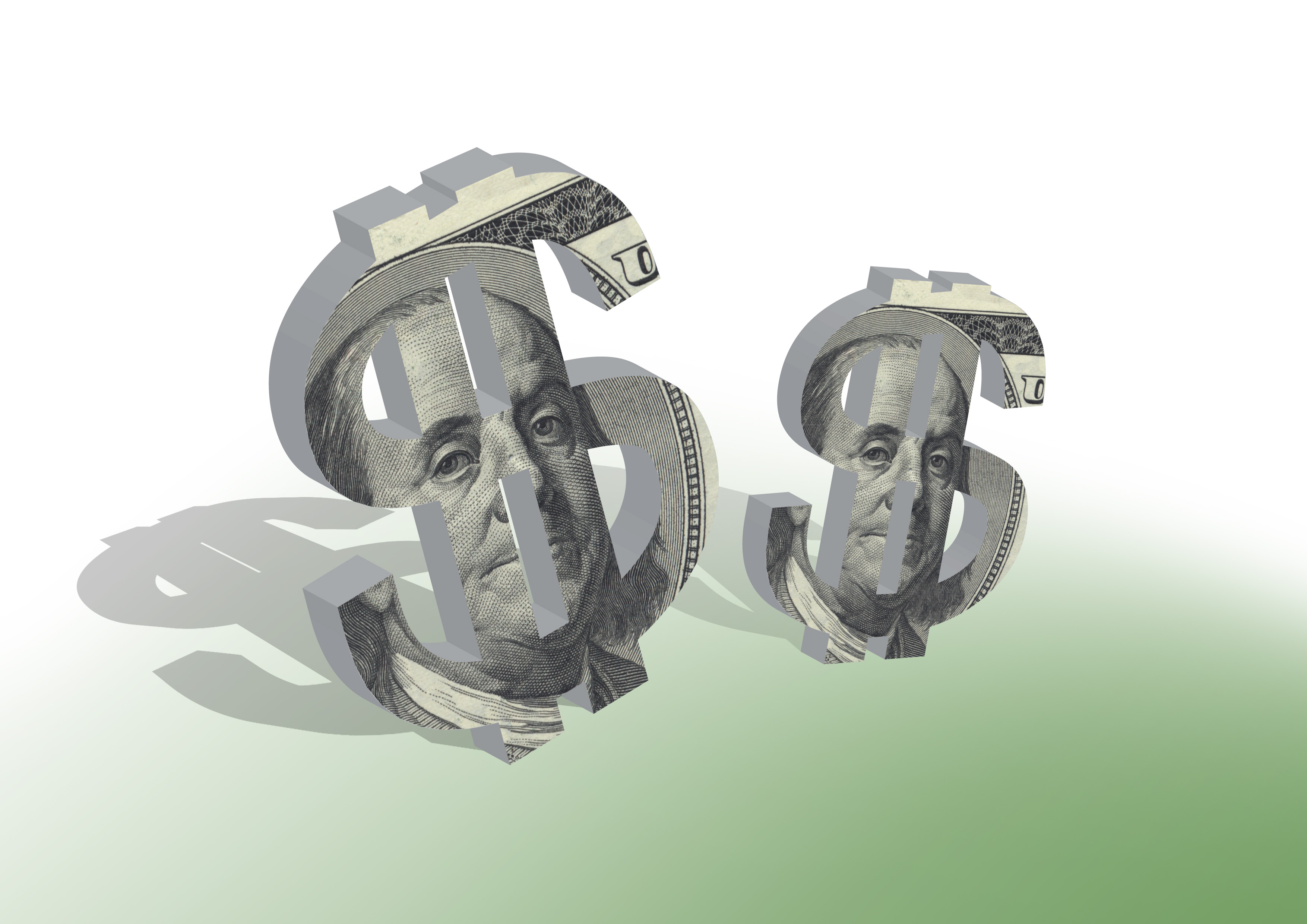
Getting Even explores a pervasive gender-based wage gap. This gap isn’t simply the difference between the average wage of a woman versus that of a man. Rather it is the cumulative effect of this difference for every hour worked over a woman’s life. Depending up her educational and professional profile, Murphy estimates that a woman loses between $700,000 and $2,000,000 over the course of her working life. (Getting even, pg 26) Sobering…or truly sad?
While the numbers are meaningful Murphy argues that numbers alone don’t tell the whole story. What about the opportunity cost of these lost wages? An extra set of lessons for a child. A much-needed new car or refrigerator. A long-awaited vacation.
Prior to reading the book I had an awkward relationship with the concept of discrimination. It hadn’t touched me, or so I thought. Long time readers may recall a similar reaction I had to the word ‘ambition’ and its baggage as discussed in Anna Fels’ outstanding Necessary Dreams, Summer Book Review #8.
The real story in Getting Even isn’t numbers at all but the realization that women today face a large widespread spectrum of discrimination. Getting Even introduces 5 categories of discrimination. These include the most egregious, like blatant sexual discrimination and sexual harassment, and those more subtle but no less damaging to a woman’s wage profile, like workplace sex segregation, everyday segregation, or discrimination against mothers.
Murphy dubbed the 4th category, everyday segregation, ‘working while female.’ Don’t you love that one? “It’s what happens when a woman’s ideas are dismissed – only to be discussed seriously by a man. Or when employers turn to old boy networks rather than public postings to recruit new talent. Or when interviews or applications evaluate male characteristics more highly, even when women’s strengths and communications styles could accomplish the job just as well, and perhaps better.” (Getting Even, pg 175) Have you ever encountered any of these?
You may be asking, “is there really a wage gap?” Maybe this book is dated. Haven’t we made strides recently to negate this?
Last spring I attended the 50 year celebration of women entering the Harvard Business School. One of the earliest female tenured professors, Rosabeth Moss Kanter, shared her observations. Many, while not focused entirely on wages, mirrored Murphy’s.
I remember a young female grad challenging Prof. Moss Kanter saying that gender based gaps in advancement were a thing of the past. I jumped to Moss Kanter’s aide with an observation of my own 100 person cohort, 20 years post graduation. “For the 1st ten years out, the jobs were largely similar (assuming both genders were engaged in full-time work),” I said. “Once we cleared ten years, our male colleagues started getting opportunities like, ‘go run Asia.’ While the women were offered incremental opportunities. At 20 years out the gap in opportunity is enormous. So large that we can never catch up.” Moss Kanter was pleased with my support. I’m not so sure I’m pleased with what this non-statistical analysis says about women’s opportunities, let alone our wages.
Getting Even concludes with a practical set of actions to close the gap, both individually and as leaders in organizations. Not only is it worth a read but you may want to add it to the list of possible graduation presents for college grads. Invaluable.
I really enjoyed Getting Even as much for its wage perspective as for its education in discrimination. I’d be lying if I didn’t tell you that it caused me to pause. Was ‘working while female’ and all the missed acknowledgements a silent trigger to my transition? From this vantage point it’s easier to measure the wage gap it caused. I wonder if that’s Ms. Murphy’s real message?
Copyright © 2013 NovoFemina.com. All rights reserved. No content on this site may be reused in any fashion without written permission from NovoFemina.com.



 NovoFemina